Water-related damage can lead to significant maintenance costs, operational problems and a shorter building service life. Waterproofing is therefore a critical part of modern construction design and execution. One of the most widely used solutions is the bituminous waterproofing membrane.
Bituminous membranes are used across residential, commercial, industrial and infrastructure projects. Selecting the right membrane directly affects the long-term performance of the waterproofing system.
A bituminous membrane is a waterproofing material based on bitumen and designed to protect building surfaces against water and moisture. Polymer modification can improve performance under temperature changes and mechanical stress.
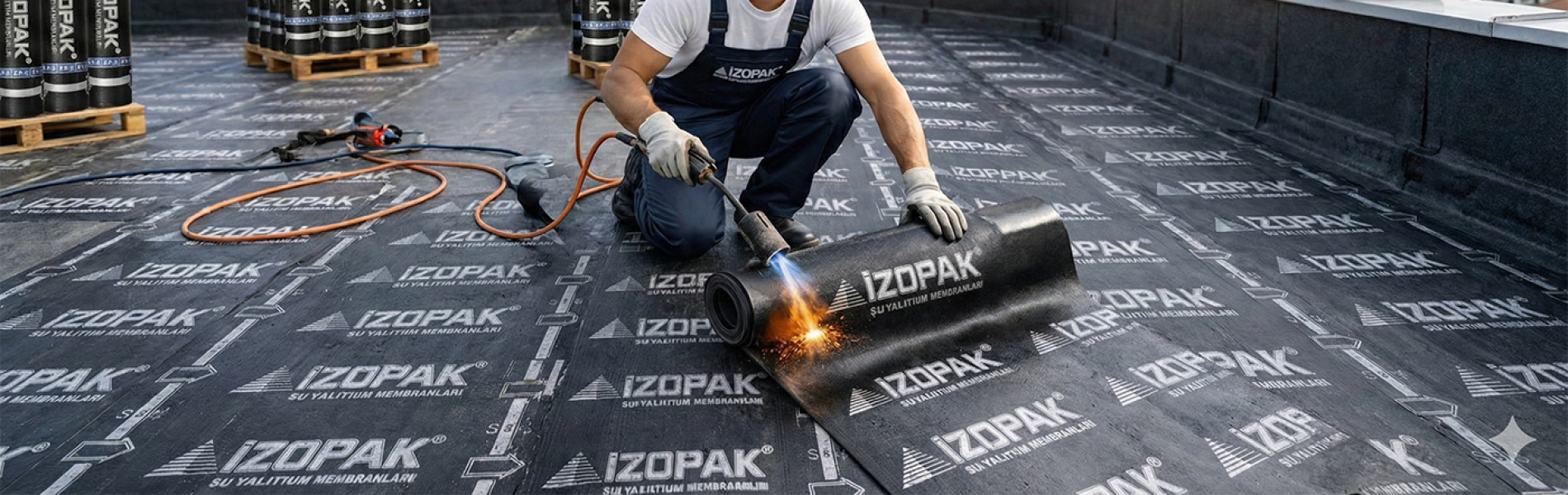
These membranes are generally supplied in rolls and can be installed by torch application, bonding or other methods suitable for the product and project.
They help protect below-ground reinforced concrete elements against soil moisture and groundwater.
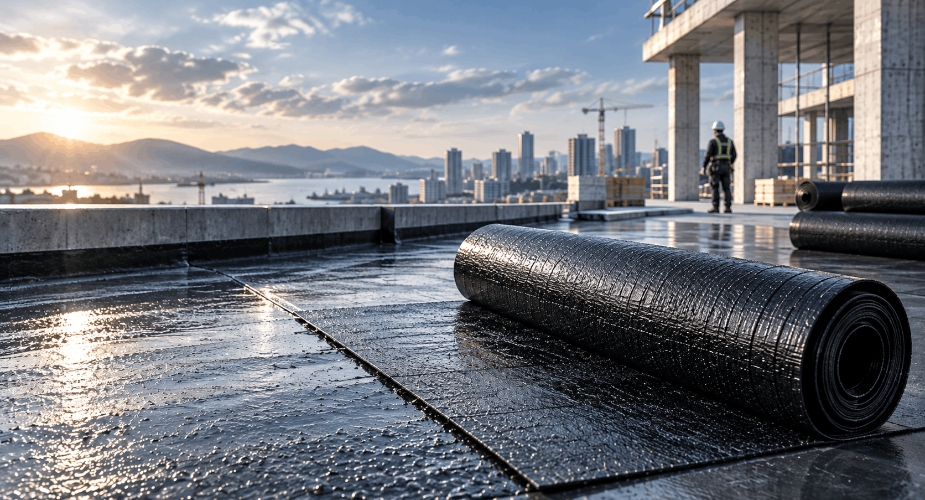
They create a continuous waterproofing layer that helps prevent rain and snow water from entering the building.
Factories, warehouses and logistics centres require reliable waterproofing because leaks can also cause operational losses.
Bituminous membranes may also be specified for bridges, viaducts, tunnels and other infrastructure works according to project requirements.
Application area, climate, surface type, mechanical loads, water pressure, installation method and technical specifications should be evaluated together.
İzopak offers bituminous waterproofing membrane solutions for different building types and application requirements, helping professional project teams create suitable waterproofing systems.
Bituminous membranes are a key component of structural waterproofing. Long-term performance depends on the right product, correct detailing and professional installation working together.