Below-ground parts of a building can remain exposed to moisture and water throughout their service life. Inadequate waterproofing of foundations and retaining walls can therefore create difficult and expensive problems.
Soil moisture, rainwater and groundwater may reach structural elements through cracks and pores, contributing to dampness and long-term reinforcement corrosion risk.
Poor retaining wall waterproofing may lead to dampness, mould, damaged finishes, odours and reduced usability. This is especially important where basements are used as car parks, storage or technical spaces.
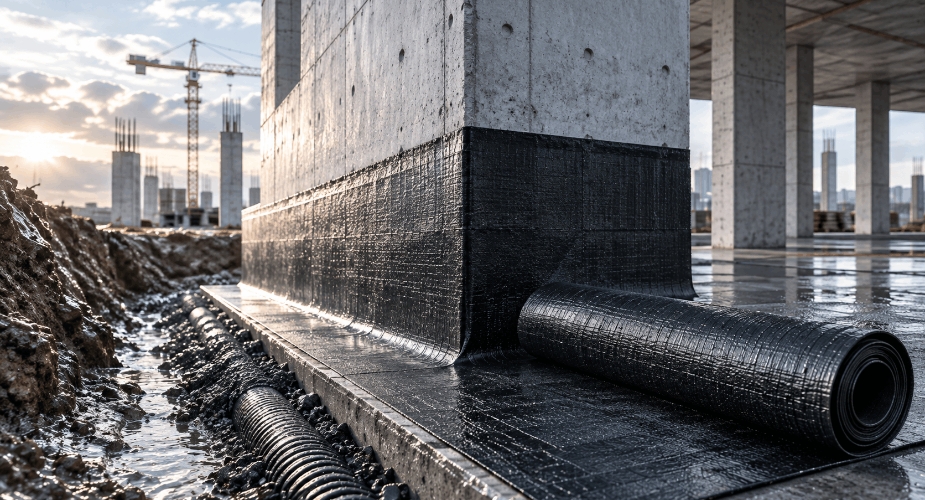
Foundation and retaining wall waterproofing should be designed and installed during construction because access becomes difficult after backfilling.
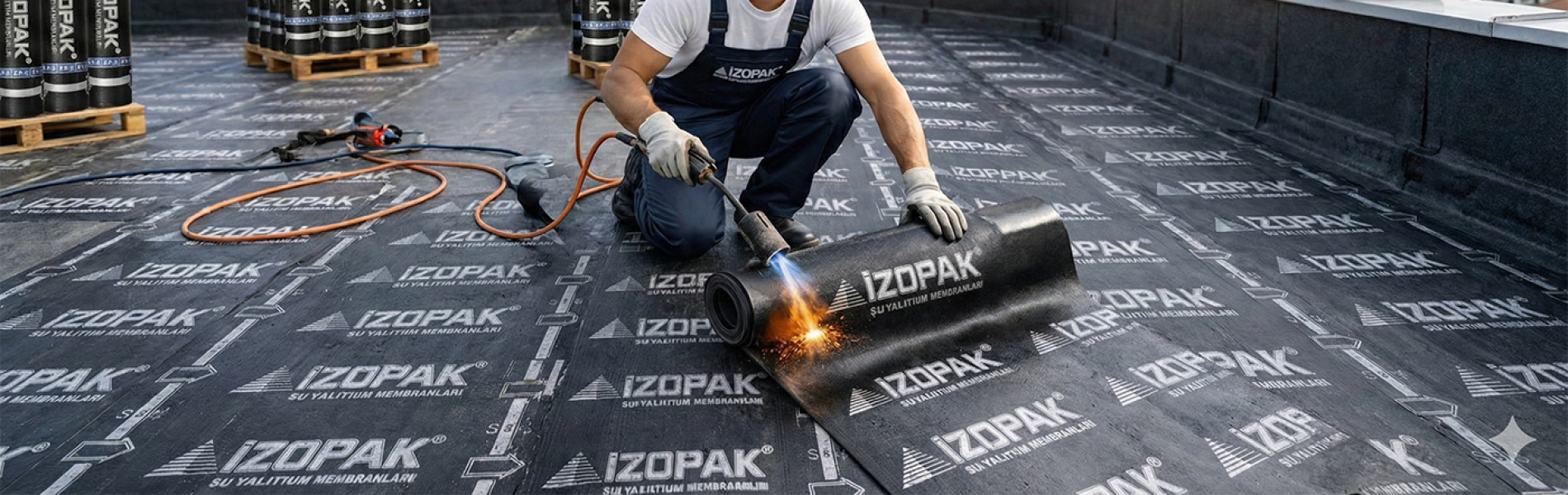
Bituminous membranes help create a continuous protective barrier between below-ground elements and water. İzopak waterproofing membranes provide options for different project requirements.
For contractors and applicators such as Topak İnşaat, quality materials and correct workmanship can help reduce post-handover risks.
Correct membrane systems, professional installation and suitable protection layers can significantly reduce below-ground water and moisture risks.